
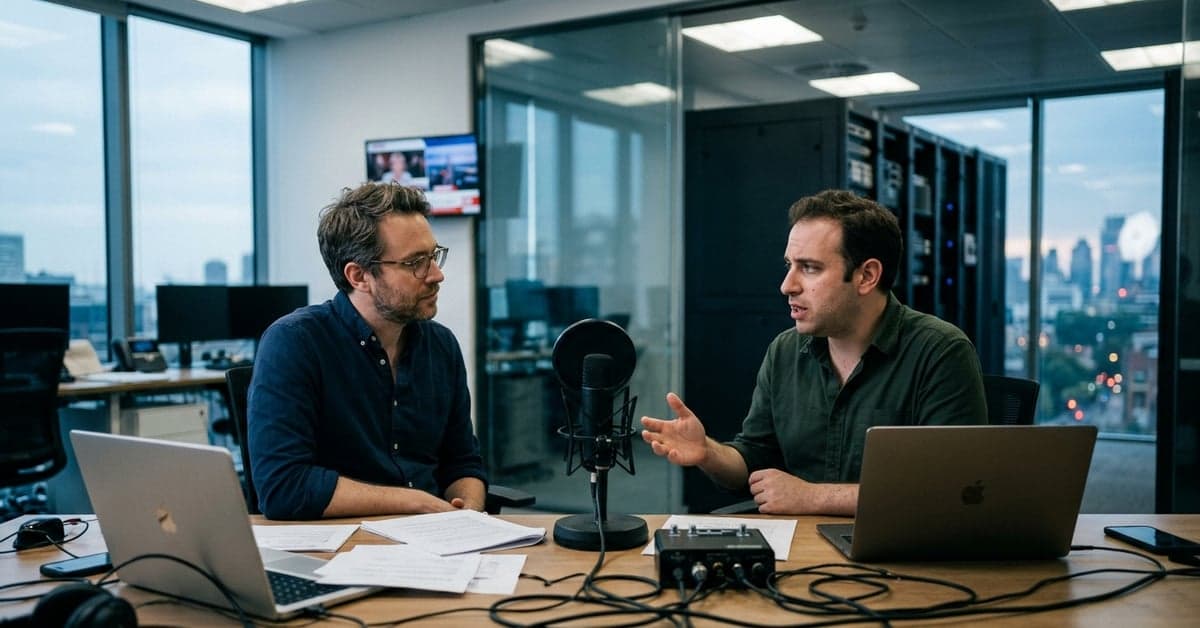
On August 14, 2026, Brian Merchant’s Blood in the Machine published a wide‑ranging conversation with Ed Zitron about the state of the artificial intelligence trade. Zitron argues the AI boom is wobbling, citing a dramatic hedge fund loss, a sharp pullback in South Korean tech shares, and growing political pushback on data centre expansion. For UK investors, the question isn’t whether hype exists. It’s how to manage AI bubble risk without tanking hard‑won gains.
Why AI bubble risk is back on UK radars
According to Blood in the Machine’s interview, the warning lights are blinking. Merchant recounts claims that a much‑touted AI‑focused fund, Situational Awareness, saw a catastrophic loss, while Zitron points to the “circular” nature of AI economics: hyperscalers fund leading labs, which in turn buy vast amounts of cloud compute from those same hyperscalers, helping drive reported profits. Microsoft’s public description of its multi‑year partnership with OpenAI shows how intertwined those flows can be, from capital to Azure consumption (Microsoft).
The pair also flag a rise in planning and power constraints hitting data centre projects worldwide. That pressure is real enough that energy agencies now publish trackers on data centre electricity demand, grid capacity, and siting pressure points (International Energy Agency). If compute build‑outs slow, the revenue narrative that has supported many AI‑exposed shares could lose some lift. That’s the heart of the AI bubble risk case they lay out.
What it means for diversified UK portfolios
Plenty of UK savers hold broad global trackers or active funds that are heavy in the same handful of US mega‑caps driving the AI theme. The MSCI ACWI weightings make that concentration easy to see. When a narrow group leads, portfolios rise fast but can fall hard if expectations cool. A wobble in AI‑linked earnings, a pause in capacity additions, or a reset in GPU pricing can feed straight into index performance.
That doesn’t mean dumping growth. It means checking position size and path risk. For sterling investors, gilts and UK dividend payers can still play ballast, while selective global exposure keeps you in the race if the AI story re‑accelerates. The Bank of England has also warned about bouts of market volatility tied to concentrated trades across asset classes (Financial Stability Report). If your portfolio leans into that concentration, make it a choice you’ve sized on purpose.
How to invest around an AI bubble without overreacting
You don’t have to time tops to manage AI bubble risk. You do need a plan that reduces the damage of a bad tape while keeping exposure to real progress:
- Rebalance on rules. If a single AI‑heavy holding or sector drifts more than a few points above target, trim back to your band. This forces buy‑low/sell‑high without guesswork.
- Favour cash flow over stories. Within tech, tilt toward firms that can fund capex from operations rather than serial equity or debt raises. When credit tightens, that gap matters.
- Diversify your AI bet. Split exposure across semis, cloud, software, and picks‑and‑shovels instead of a single narrow theme ETF. One weak link won’t sink the whole sleeve.
- Stage entries. If you’re underweight and want in, average over weeks or months. Staggered buys cut regret when momentum stalls.
- Hold dry powder. A modest cash or short‑dated gilt position lets you add on a pullback rather than watch from the sidelines.
None of this requires a call on when the music stops. It assumes volatility rises as narratives get stretched, which is exactly the environment Merchant and Zitron describe.
Signals to watch as the AI trade cools or reignites
Even long‑term investors should track a few real‑world indicators that help distinguish a blip from a break:
- Capacity and power constraints. Watch new data centre approvals, grid connection timelines, and local moratoriums. The IEA’s analysis is a good starting point.
- Cloud unit margins. Hyperscaler profits can rise even as AI workloads expand, but if margins compress while capex surges, equity markets may reassess the payoff timeline.
- AI ETF flows. Sustained outflows often precede wider de‑risking. Inflows chasing new highs can signal late‑cycle heat.
- Hardware pricing and lead times. Easing GPU scarcity, or falling resale prices, may hint at cooling demand or better supply—either can jolt sentiment.
These are the same pressure points highlighted in the Blood in the Machine discussion, reframed as a watchlist you can actually use. None are perfect signals. Together, they keep you focused on facts, not vibes.
What UK investors should do next
AI is changing software and compute. It’s also creating concentrated bets and strained expectations. The Blood in the Machine interview stresses both sides of that ledger. Take the cue to revisit sizing, rebalancing rules, and cash buffers, then decide where your edge really is: holding quality through noise, or trading headlines. Either way, write it down before the next pop or drop.
The past two years rewarded anyone willing to own the leaders. The next two may reward those who can stick with a plan when the tape gets jumpy. Keep some exposure, but keep your exits and entries sane. That’s how you respect AI bubble risk without letting it run your whole portfolio. For more on this, see bloomberg.com.
Related reading: NVIDIA • Meta AI • AI & Big Tech