
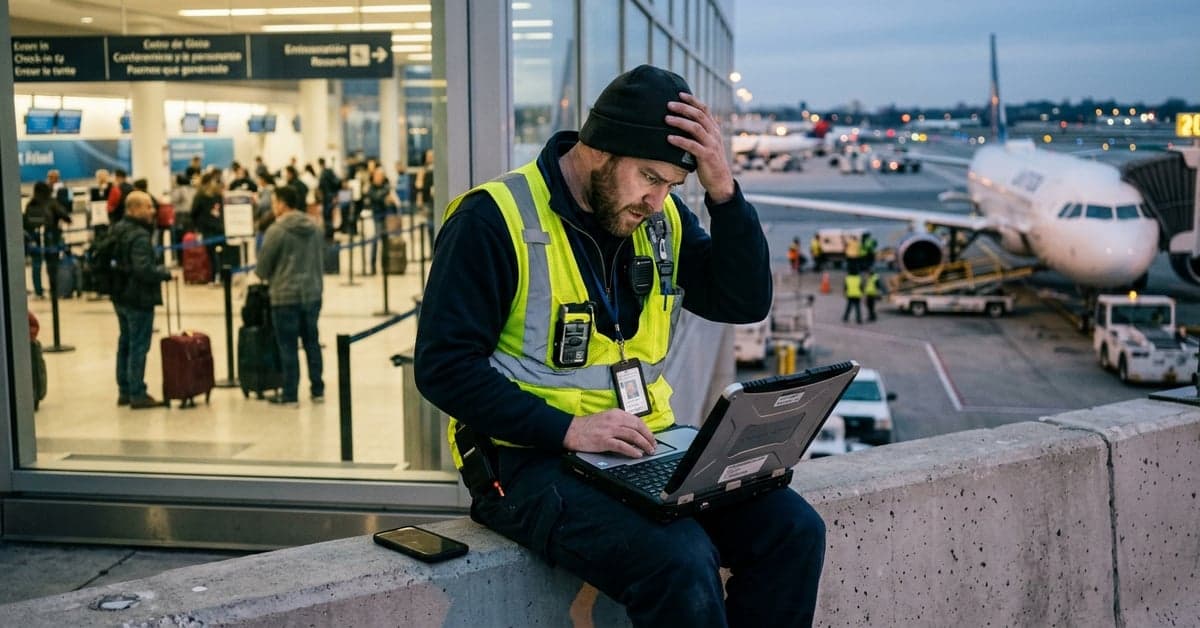
On September 2, 2026, BBC Technology reported that criminals published data on 8.7 million people after an airports hack, exposing one of the largest travel-sector leaks this year (BBC Technology). The scale points to a supply‑chain compromise rather than a single airport system failure.
What BBC reports about the airports data breach
The BBC item states attackers posted data tied to airport operations and passengers, affecting 8.7 million individuals. While the brief does not list the vendor, method, or which airports were involved, the number implies a shared provider with broad customer reach. In recent years, such breaches often follow a ransomware group’s “double extortion” playbook: steal data first, then publish it to force payment if a victim refuses to negotiate. The UK’s National Cyber Security Centre has warned about this tactic and offers technical guidance on disrupting it (NCSC ransomware guidance).
Passenger records held by airport partners can include names, contact details, booking references, loyalty IDs, and limited payment metadata. The exact fields in this case aren’t listed by the BBC, so the impact will hinge on what the compromised vendor collected and retained. If passport numbers or full payment card data were involved, risk would escalate; if the leak centers on emails and phone numbers, the immediate fallout looks more like targeted phishing and credential attacks.
How the airports hack fits a wider travel risk
Travel firms lean on sprawling IT partners—ground handling, parking, retail concessions, loyalty programs, and booking engines. That makes the attack surface big, and unevenly defended. According to the International Air Transport Association, sector resilience now depends on shared standards and tighter assurance across third parties, not just on a single airline or airport’s tools (IATA on cybersecurity).
The BBC feed underscores the pattern. On September 1, 2026, it carried news of ferry passengers hit by a data breach during a sailing, another example of transport providers facing spillover from vendor issues. On August 31, 2026, BBC reported police warnings after Revolut customers were scammed out of £180,000, showing how fresh leaks feed rapid phishing. And on August 29, 2026, a Scottish charity tied to the Robert Burns birthplace alerted members after a cyberattack, a reminder that attackers pivot between sectors for soft targets (BBC Technology).
The thread running through these incidents is simple: criminals monetize at scale by hitting a shared provider, then reuse the data to phish, SIM swap, and reset accounts across services. That’s why a single airports data breach can ripple through inboxes and phones far beyond the terminal.
What 8.7 million leaked records could expose
With a cache this large, attackers can run automated waves of fraud. Expect convincing travel‑themed lures—refunds, schedule changes, lost luggage claims—sent to known passengers. The presence of booking references or loyalty IDs would let criminals tailor messages with unsettling accuracy. Even if passwords weren’t leaked, exposed email addresses make credential‑stuffing and password‑reset attempts more effective.
There’s also the long tail. Data often gets sliced and traded for months. Paste sites and criminal forums repackage leaks into “hits” tied to specific domains or industries. That means people touched by the airports data breach could face repeated waves of spam, smishing, and account takeover attempts well after the headlines fade.
For operators, the exposure extends to compliance and contracts. UK and EU rules require prompt notification and clear guidance to affected individuals when a breach risks rights and freedoms. The Information Commissioner’s Office sets out what people should be told and the steps they can take to limit harm (ICO: Your data matters).
What travelers and operators should do now
Individuals:
- Treat any unexpected travel‑related message as suspect. Don’t click links in emails or texts about refunds, itinerary changes, or loyalty bonuses. Go to the airline or airport app directly.
- Change passwords on any travel accounts sharing the exposed email, and turn on multi‑factor authentication everywhere it’s offered—especially for email and banking.
- Watch card statements for small “test” charges. If offered, place a temporary card lock in your banking app while monitoring.
- If identity documents were part of the leak, ask issuers about replacement options and fraud flags. The ICO explains rights to remedial help and complaint routes.
Airports and vendors:
- Map where passenger data actually flows. Many incidents become large because retention runs years past need across multiple systems.
- Rotate credentials and revoke long‑lived API tokens for third parties. Enforce least privilege and time‑boxed access for contractors.
- Adopt encrypted, tamper‑evident backups and test bare‑metal recovery. Ransomware groups look for backup sabotage; offline copies matter.
- Align with recognized playbooks. CISA’s Stop Ransomware guidance lays out controls, tabletop exercises, and response steps that fit transport operators (CISA: Stop Ransomware).
Why this breach is bigger than one vendor
The core lesson from the BBC report is structural. The airports data breach looks like another case where one supplier’s breach becomes everyone’s problem. Travelers don’t pick vendors; they pick flights, ferries, and routes. Trust shifts to operators that audit their chains and prune what they store. The next test won’t be whether a partner gets hit—that risk is constant—but how quickly operators detect the blast radius, notify people with specifics, and shut down secondary fraud.
If you flew, parked, or used airport apps in the past year, assume your email and phone number are already circulating. Treat travel communications with care, and keep MFA on. For operators, the path is just as clear: shrink data footprints, verify suppliers against security baselines, and rehearse incident plans that work across brands. That’s how the damage from an airports data breach is contained—before the next one lands. For more on this, see bloomberg.com and nytimes.com.
Related reading: NVIDIA • Meta AI • AI & Big Tech