
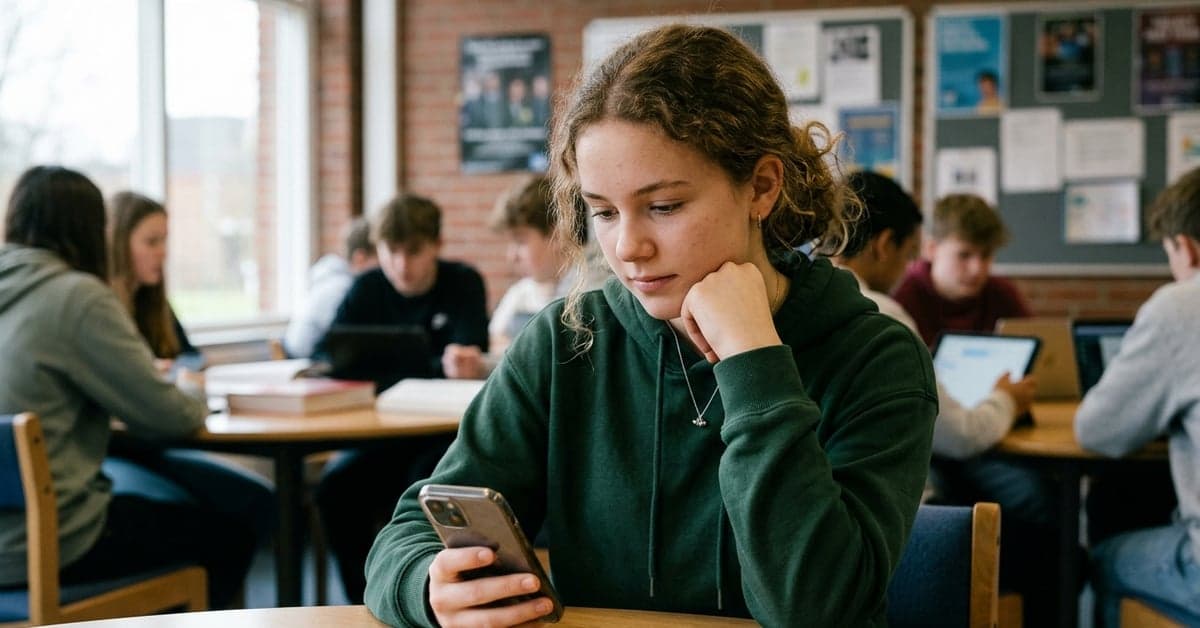
On August 18, 2026, the BBC reported that OpenAI will make ChatGPT less “human” for teenagers as part of a new safety update, signaling a design shift for one of the most-used chatbots among young people (BBC Technology). The move hints at fewer anthropomorphic flourishes and more guardrails when under-18s engage with the system.
What the ChatGPT teen safety update changes
OpenAI’s plan, as described by the BBC, is to turn down the bot’s human-like tone for teen users. While the BBC summary does not list technical details, the likely direction is clearer messaging that users are speaking to software, less small talk, and a firmer boundary around sensitive topics. The change also suggests OpenAI aims to reduce the sense of a companion-like persona when the user is a minor.
This is not window dressing. A more machine-like voice can lower the risk of teens forming para-social bonds with a bot, and it can reduce the persuasive pull of responses that sound like a peer. Taken together, those tweaks make it easier to apply stricter policies without confusing the user about who — or what — is enforcing the rules.
Why a less “human” tone matters for teens
The under-18 audience is subject to separate expectations in law and policy. In the UK, the Information Commissioner’s Office expects services to design with the “best interests of the child” in mind under the Age-Appropriate Design Code. That code pushes services toward high-privacy defaults, clear explanations, and minimal data collection for minors. A toned-down style in teen chats fits that playbook: it sets expectations, reduces ambiguity, and can be coupled with sharper refusals when conversations drift toward risky areas.
On the continent, providers also face mounting compliance checks under the EU AI Act. While the law targets risk classes and transparency, it also creates pressure for traceability and predictable behavior — both easier to deliver when the system avoids a chummy persona. Together, these rules create a compliance nudge toward clarity over charm.
There’s a practical angle as well. Schools and parents often prefer tools that read like reference software, not a witty friend. If the ChatGPT teen safety update strips back banter in favor of citations, plain disclaimers, and less suggestive phrasing, adoption in classrooms could get simpler. It also reduces the chance that a bot appears to “encourage” a choice through friendly language, a sticking point in many safeguarding debates.
A broader turn: rivals move to traceability and restraint
OpenAI is not operating in a vacuum. The Guardian reported on August 17, 2026 that Anthropic will start watermarking AI-generated text by changing how its chatbot makes small, random choices, a step it says aligns with EU demands for provenance and moderation (The Guardian). Watermarking aims to make synthetic text easier to spot across platforms and to rein in misuse without blunt content bans.
On the social front, scrutiny is intensifying. The BBC also highlighted on August 18, 2026 that US states opened a trial seeking sweeping changes to Instagram and Facebook over child privacy and harms, a sign that regulators are testing new remedies at scale (BBC Technology). Even though that case targets social media rather than chatbots, the enforcement mood spills over to any product used by minors. Providers of conversational AI will read those signals closely.
Put together, those moves show a pattern: less persona, more provenance, and controls that are easier to audit. The ChatGPT teen safety update sits squarely in that arc. Watermarking helps downstream platforms spot AI text; a cooler, more mechanical voice helps upstream systems keep interactions safe and explainable when the user is a teen.
What product teams should expect from a cooler teen mode
Expect several practical shifts as this approach rolls out across the sector:
- Clearer self-identification and fewer first-person feelings, so it’s obvious a program is speaking.
- More direct refusals on sensitive prompts, paired with short, source-backed alternatives.
- Less role-play, fewer fictional personas, and tighter limits on long, emotive exchanges.
- Prominent safety links and one-tap exits to trusted resources when topics turn risky.
These patterns already appear in many children’s services and are aligned with child-first design guidance from groups such as UNICEF. Bringing them into mainstream chatbots for minors reduces surprise for families and educators. It also gives moderators simpler rules to enforce and measure.
There’s an engineering trade-off. Dialing down persona can make answers feel colder and, at times, less engaging. But that drop in charm tends to yield steadier policy compliance and fewer escalations to human review. For teen accounts, that’s a fair exchange, especially in school or homework settings where tone should take a back seat to clarity.
What to watch next for the ChatGPT teen safety update
Three questions loom as OpenAI tunes teen experiences. First, how reliably can providers detect the age of a user without over-collecting data? Aggressive verification can clash with privacy goals, yet weak checks undercut safeguards. Second, will publishers and platforms adopt identification signals — such as text watermarking — widely enough to matter across the feed and search ecosystem? Third, do schools get simple, auditable controls that let districts set the floor on features for minors?
Answers will arrive in policy filings and product notes through the second half of 2026. What’s already clear, based on BBC reporting, is that the company is shifting the feel of teen chats toward a service, not a sidekick. That makes the ChatGPT teen safety update more than a phrasing tweak. It’s a bet that clarity beats charisma when the user is under 18 — and that regulators, parents, and teachers will agree. For more on this, see openai.com and openai.com and anthropic.com.