
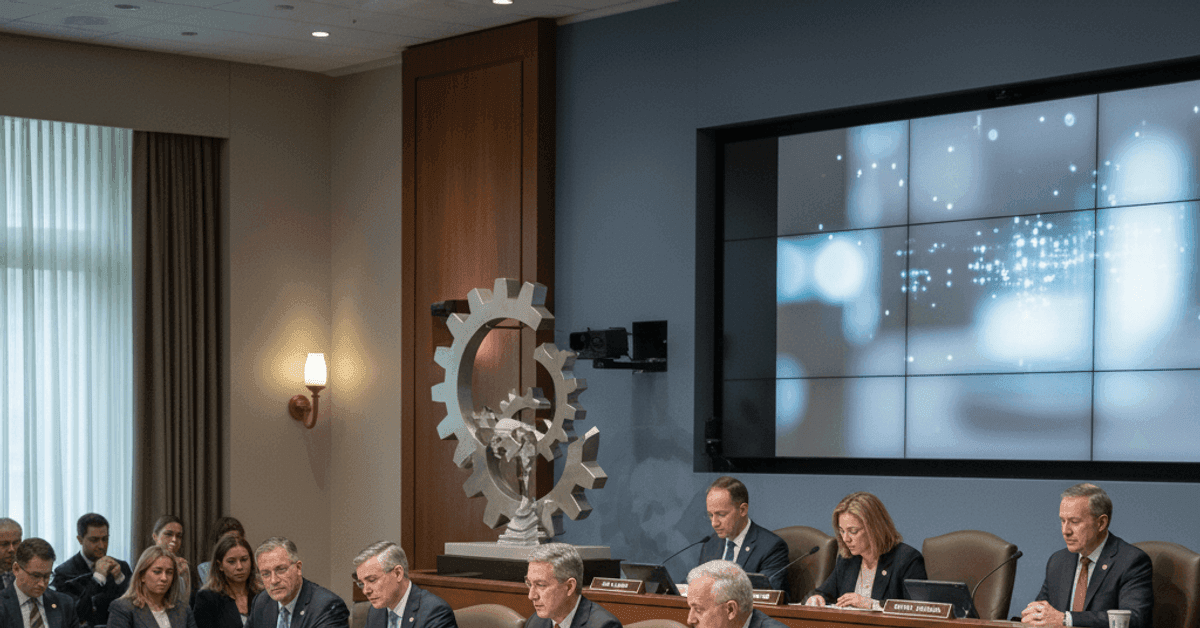
Congress stripped a defense right to repair provision from the 2026 National Defense Authorization Act, setting up a high-stakes policy fight. The change, flagged by consumer advocates, could keep the military dependent on contractor-controlled repairs and proprietary parts.
Defense right to repair removal: what it changes
The draft bill no longer contains language that would have let military units perform more of their own equipment maintenance. Advocates say the cut keeps current limits in place. Those limits can force troops to wait for authorized vendors and specialized service tools.
According to the consumer group US PIRG, the move may prolong downtime for critical systems and inflate costs. The organization warned that taxpayers will bear higher bills. It also argued that units could face slower turnaround during urgent deployments.
The NDAA remains in flux as lawmakers negotiate final text. Therefore, supporters will push to restore a repair clause before passage. Yet removal at this stage makes a reinserted fix less likely, based on past conference outcomes.
Why repair rules matter for modern defense tech
Military hardware now blends mechanics with encrypted software, telemetry, and AI-enabled diagnostics. Consequently, repair restrictions often involve digital locks and proprietary firmware. Units may need OEM codes or cloud validation to replace parts or run tests.
When only contractors can unlock diagnostic modes, simple fixes can stall. Moreover, shipping equipment to depots or waiting for site visits can burn precious time. In contested environments, those delays can blunt readiness and increase risk.
Cybersecurity concerns frequently drive locked-down designs. However, limited access can also impede timely patches and field repairs. Balanced rules can protect mission software while enabling safe, auditable maintenance by trained personnel.
Contractors, costs, and the supply chain
Contractor-only repairs can consolidate revenue around a few vendors. That dynamic can reduce competition for service and parts. As a result, prices may rise and supply bottlenecks can worsen during surges.
Defense logistics also face volatile lead times for components. Therefore, empowering units to swap standard parts, update software, and clear error states can help. Faster field service can reduce inventories and transport loads.
Supporters of the removed provision stress cost control and flexibility. They argue that audit trails, certifications, and tamper-evident seals can preserve safety. Those measures can coexist with open access to manuals and tools.
Broader policy context and consumer parallels
The right to repair movement has advanced in several U.S. states. Laws now require companies to share parts, tools, and documentation with independent shops. Consumer electronics, farm equipment, and medical devices all figure into the debate.
Federal regulators have moved in the same direction. The Federal Trade Commission pledged to crack down on illegal repair restrictions in 2021. That agenda followed the agency’s in-depth study of repair markets and barriers.
The White House also backed broader competition goals in a 2021 executive order. Among many directives, it urged action on repair barriers across industries. Together, those steps signaled growing federal interest in the issue.
Defense procurement is more complex than consumer tech. Nevertheless, the same patterns appear. Software locks, exclusive parts pairing, and serial-number checks prevent even simple fixes without vendor approval.
What happens next in NDAA 2026
Negotiations over the NDAA will continue through conference and floor votes. Lawmakers could propose restoration of repair access language. Still, the window narrows as schedules compress and priorities collide.
Advocates plan to rally support from both parties, citing cost and readiness. Industry groups may counter with safety and cybersecurity concerns. Ultimately, the final text will reflect compromises across many sections.
If Congress passes the NDAA without a repair clause, the Pentagon could still act. The department can expand approved maintenance procedures and training. It can also require better documentation access in future contracts.
Implications for AI-enabled systems
AI increasingly supports predictive maintenance, targeting faults before they cascade. However, closed systems limit the data needed to train and validate those models. Open diagnostic access can improve algorithm accuracy and root-cause analysis.
Furthermore, on-device AI often depends on frequent updates and sensor calibration. Units need reliable ways to service those pipelines in the field. Therefore, clearer repair rights can enhance both reliability and security.
Conversely, weak controls can expose models and datasets to tampering. Experts recommend signed updates, logging, and role-based access. Those protections can coexist with wider maintenance permissions for qualified technicians.
How stakeholders can de-risk repairs
Several guardrails can reconcile access with safety and cybersecurity:
- Use signed firmware and component attestation to prevent malicious parts.
- Log all maintenance actions and enable remote verification when possible.
- Publish service manuals with security-redacted sections where necessary.
- Certify unit-level technicians for specific systems and procedures.
- Design hardware for modular replacement without full system unlocks.
Such measures can speed repairs while preserving chain-of-custody. They also align with modern secure-by-design principles across critical systems.
The political calculus
Repair policy intersects with industrial policy and jobs. Contractor networks support local economies and specialized skills. Meanwhile, unit-level maintenance builds resilience and reduces dependence.
Bipartisan interest in repair access has grown in recent years. Consumer savings, farm uptime, and e-waste reduction all resonate with voters. Defense repair access fits that pattern, but adds national security stakes.
Because the NDAA is a must-pass bill, unrelated priorities can shape outcomes. Advocates must persuade leadership that repair access belongs in the final package. Otherwise, standalone legislation or agency policy will need to carry the load.
Conclusion
The removal of defense right to repair language from NDAA 2026 signals a setback for maintenance reform. Costs and delays could persist if contractor bottlenecks remain. Yet Congress and the Pentagon still have avenues to expand safe, auditable access.
As defense systems grow more software-defined and AI-enabled, repair policy matters more. Balanced rules can protect mission software while restoring field agility. The next NDAA drafts will show whether lawmakers agree.
Further reading: US PIRG’s advocacy on repair rights; Congress.gov’s NDAA docket; the FTC’s 2021 enforcement stance; and iFixit’s background on the movement.
Helpful links: US PIRG, Congress.gov, FTC crackdown on repair restrictions, White House competition order, Right to Repair background.
Related reading: Meta AI • NVIDIA • AI & Big Tech