
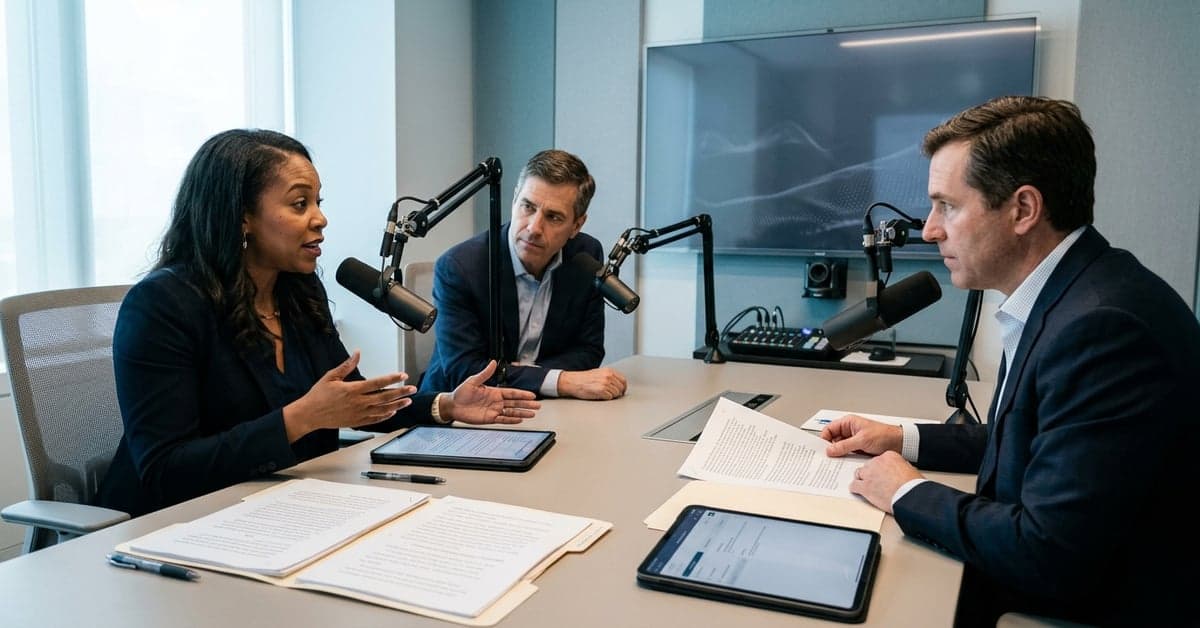
On May 6, 2024, Brookings’ TechTank podcast put a fine point on a debate many firms now face: AI is already speeding contract review and research, but the impact on junior roles and client trust is up for grabs. The conversation, led by Nicol Turner Lee with John Villasenor and Hogan Lovells partner Mark Brennan, framed both the promise and the risk. The next question is execution—how to turn those gains into sustainable practice without eroding the training pipeline or breaching duties to clients. That is where the real work on AI in legal practice begins.
Where AI in legal practice pays off fast
According to the TechTank episode from Brookings, tools that summarize documents, extract clauses, and draft standard text deliver the clearest wins in minutes, not months. That tracks with what in-house teams report: routine NDAs, vendor agreements, and first-pass memos are the earliest use cases to move. Time falls, throughput rises, and backlogs shrink. The business case is straightforward.
The less obvious shift is quality control. Firms that bank the upside tend to pair every automated draft with human edit cycles and template libraries that “box in” variation. They also limit prompting to pre-approved patterns to avoid meandering outputs. Those two steps—structured human review and prompt discipline—reduce rework and keep drafts close to house style.
One more lever matters: provenance. When systems can cite which sources they used and when, senior reviewers spend less time second-guessing machine claims. That is not a luxury. It is the difference between an assistant and a distraction. The NIST AI Risk Management Framework urges traceability for a reason; in legal work, traceability is how supervisors clear work product with confidence.
Legal AI and the entry-level squeeze
The Brookings panel flagged a hard concern: if machines do the scut work, where do new lawyers learn? As AI in legal practice spreads, the risk is a missing middle—too little repetitive work to build instincts, yet high expectations on judgment. That problem is real, but it is solvable with design, not nostalgia.
Several firms are redefining early-career tasks around machine output rather than manual first drafts. Junior lawyers act as editors, fact checkers, and citation verifiers for AI-generated text, with supervisors sampling their edits at set intervals. It is still training, just on different raw material. The skill shift is toward issue spotting, authority checking, and client tone, which are the muscles that matter later.
Compensation and evaluation must follow. Counting only hours spent drafting from scratch will miss the new value—catching subtle errors in a second, choosing the right case to cite, or saying when the tool is out of its depth. Clear rubrics avoid the hollowing-out that many fear.
Guardrails: confidentiality, privilege, and provenance
Client trust hinges on more than output speed. Confidentiality, privilege, and accuracy set the boundaries. Brookings’ guests underscored ethics; the concrete controls are now well mapped by regulators and standards bodies.
First, competence is not optional. Since 2012, the American Bar Association has read technology competence into a lawyer’s duty of competence under Model Rule 1.1. The commentary expects lawyers to keep up with “the benefits and risks associated with relevant technology.” That standard applies directly to generative tools. The ABA’s guidance is a useful anchor for training plans and vendor vetting (ABA Model Rule 1.1).
Second, segregate sensitive data. Use tools that promise data isolation and disable training on client inputs. Strip identifiers from prompts by default. Log every prompt and output for audit, and retain those logs under counsel’s control. These steps support privilege claims and create a record when clients or courts ask how a conclusion was reached. The Solicitors Regulation Authority in England and Wales points to similar practices: supervise, validate, and keep records commensurate with risk.
Third, right-size the model to the task. Many errors come from overkill systems asked to do basic work. A smaller, constrained model tied to an internal knowledge base can outperform a general tool on firm documents while lowering data exposure. Pair that with retrieval that surfaces the exact source passages and you cut hallucination risk while speeding review.
What clients will expect—and how billing may change
Corporate counsel have heard the same pitch: better, faster, cheaper. They will press on all three. Expect more fixed-fee work on standard documents and narrower briefs on bespoke matters. When AI drafts part of the work, explain where human judgment began and ended. That disclosure is becoming table stakes, and many bar ethics opinions now point lawyers toward explaining material use of automation when it affects informed consent or fees. The anchor remains the duty to communicate and the prohibition on unreasonable fees under the Model Rules (ABA Professional Responsibility resources).
Firms that get ahead are documenting how automation affects effort and outcomes—cycle time, defect rates, and review hours saved—then aligning pricing to value, not keystrokes. They also publish short client notes on tool governance: data handling, supervision, and when people, not software, make the call. Those notes reduce friction at matter intake and cut back-and-forth over vendor questionnaires.
From podcast insight to firm playbook
Brookings’ TechTank framed the policy and workforce stakes. Turning that into practice calls for a short, concrete plan that partners can approve and staff can follow. Here is a one-quarter starter list fit for most midsize teams and BigLaw practice groups alike.
- Define the first three use cases and name owners for each (for example: NDA review, research memos, and privilege log drafting). Ship a playbook per use case.
- Pick tools with data isolation, clear audit logs, and source citation. Map them to the NIST AI RMF functions so risks and mitigations are explicit.
- Stand up a confidentiality protocol: prompt hygiene, redaction defaults, and a ban list for inputs. Route exceptions through supervising counsel.
- Codify human review: sampling rates, escalation paths, and sign-off authority by matter type. Track outcomes to tune supervision up or down.
- Update engagement letters and client FAQs to explain where automation may assist and how fees reflect that change.
- Train juniors as editors and verifiers. Measure accuracy, citation quality, and client tone, not just speed.
- Brief your E&O insurer on controls, and record that briefing. It shows diligence and can smooth renewals.
AI in legal practice is no longer a side project. It is a capability that touches cost, quality, and talent. The Brookings discussion captured the tension between efficiency and apprenticeship; the firms that win will treat that tension as a design problem. Build for provenance, keep humans in charge of judgment, and publish the rules of the road to clients. Do that, and the gains arrive without gutting the pipeline that makes the work possible.
The shift will not wait for a perfect policy consensus. Standards like the NIST framework, the ABA’s competence duty, and the SRA’s guidance are enough to move with care today. Firms that approach AI in legal practice as an operational system—rather than a demo—will set expectations, price to value, and keep trust where it belongs: with the client. For more on this, see bloomberg.com and nytimes.com.