
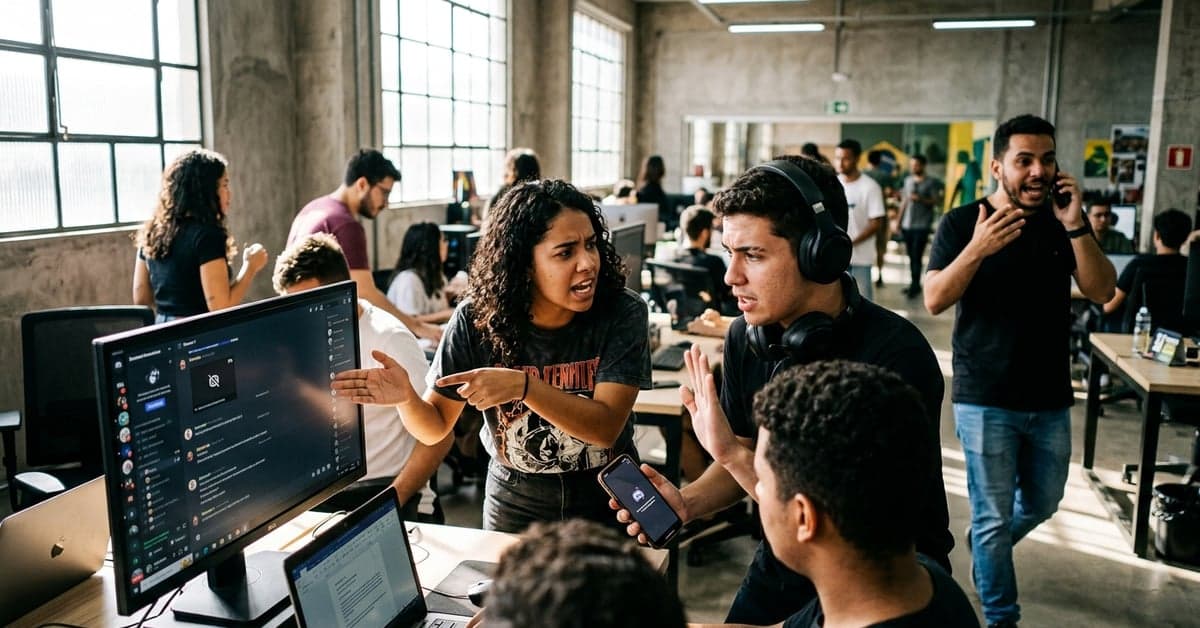
On August 13, 2026, BBC News reported a Discord Brazil ban: authorities ordered the platform to suspend livestreams across the country (BBC News). The company’s chat and communities remain online, but live video is off for Brazilian users while Discord works through the order.
What happened, and who gets hit first
The order targets livestreaming on Discord in Brazil. That means real‑time broadcasts used for game nights, town halls, coding help, classroom sessions, and creator Q&A events are on pause for local accounts. The BBC report did not publish the full legal rationale, and neither side had shared a detailed timeline for restoration as of August 13, 2026. Expect the dispute to focus on how Discord enforces its policies in real time and what controls it can apply at country level.
For creators, this hurts the parts of Discord that make communities feel live. Scheduled streams, fan meetups, and support sessions need a quick reroute to voice channels or pre‑recorded clips. Some will shift activity to other platforms. Others will hold programming until the feature returns. Either way, the audience takes a hit, and so does momentum.
Why regulators single out live video
Live features are high‑risk. They combine scale with speed and thin buffers for review. When something harmful appears on a stream, the damage can spread before moderators react. Brazil’s internet framework, the Marco Civil da Internet, gives courts and authorities tools to demand targeted actions from platforms. Past cases in the country have also led to short‑term service blocks and feature changes for messaging and social apps, documented in public records and case histories. A temporary live‑video suspension fits that pattern: narrow the order to the feature linked to the alleged harm.
That context explains why a Discord Brazil ban would focus on livestreams rather than a full shutdown. It’s easier to justify in court, it lowers collateral damage for businesses and schools, and it signals to other platforms what “compliance” looks like in practice.
What the Discord Brazil ban changes for streamers
Community leaders in Brazil will need a plan B. Three moves stand out:
- Shift “must‑be‑live” sessions to short, tightly moderated formats while the suspension lasts. Keep the slot, but cut the risk surface.
- Split engagement: run announcements and polls on Discord, and send the actual stream to a service that still operates live in Brazil. Make the link easy to find.
- Build redundancy into your calendar. If a platform toggles a feature off, you shouldn’t lose the week’s anchor event.
Creators who monetize through memberships will need extra care. Cancelled events tend to raise churn. Offer make‑goods: backstage chats, early drops, or exclusive guides. If your format depends on screen sharing or real‑time collaboration, consider whether a recorded walkthrough keeps the thread alive until live access returns. Discord’s own documentation on Go Live and streaming can help teams explain to members what changed and why.
How rivals and platforms react to a Brazil livestream suspension
Feature‑level blocks have downstream effects. Rival apps will court displaced communities with safe‑mode defaults, local moderation staff, and clearer routes to escalate reported content. In the short term, small players may benefit most, because they can tailor policy and engineering for Brazil’s requests faster than a giant can rewire global systems.
For Discord and its peers, the technical playbook is getting clearer:
- Build a regional “kill switch” for high‑risk features. If a court orders a pause, product teams can disable the feature for specific countries in minutes, not days.
- Instrument live tools with stricter defaults where required. Age gates, slower “go live” ramps, and pre‑verified host lists reduce exposure.
- Ship audit trails that satisfy local demands without exposing unrelated user data. Regulators want evidence; users want privacy.
Policy teams will also push for narrower, time‑bound directives. Broad or indefinite orders tend to boomerang in court. Brazil’s history with platform restrictions shows that specificity and sunset clauses matter for both rights and results, as digital‑rights groups have argued in commentary on feature blocks and service bans. The Electronic Frontier Foundation, for example, has warned that blunt shutdowns can overreach and erode trust; targeted measures tied to clear harms are easier to defend and comply with (EFF analysis).
Why this case matters beyond Discord
Once one country convinces a platform to turn off a feature, others take note. Expect more regulators to ask for the same switches, especially around elections or major sports events when live streams surge. This isn’t only about Discord; it’s a signal that live video is now a policy lever.
The deeper shift is architectural. Platforms will need consistent ways to separate features, policies, and data access by jurisdiction. That’s expensive and messy, but it also reduces the chance of a full blackout. A narrow suspension like the Discord Brazil ban limits collateral harm if it’s executed quickly and communicated well.
What to watch next
Three things will tell the story from here. First, whether the order names specific safeguards that, once in place, allow live video to resume. Second, whether creators and servers migrate activity to competing apps or simply wait it out. Third, whether other countries cite Brazil’s action when pressing platforms for feature‑level controls.
Discord will try to restore live tools in Brazil while keeping regulators on side and communities intact. Clear, frequent updates help. So does a product path that shows improved real‑time controls without breaking the experience elsewhere. If that happens, the Discord Brazil ban may end up as a short‑term shock that accelerates long‑needed changes to how live features are built, rolled out, and governed. For more on this, see bloomberg.com and nytimes.com.
Related reading: AI Copyright • Deepfake • AI Ethics & Regulation