
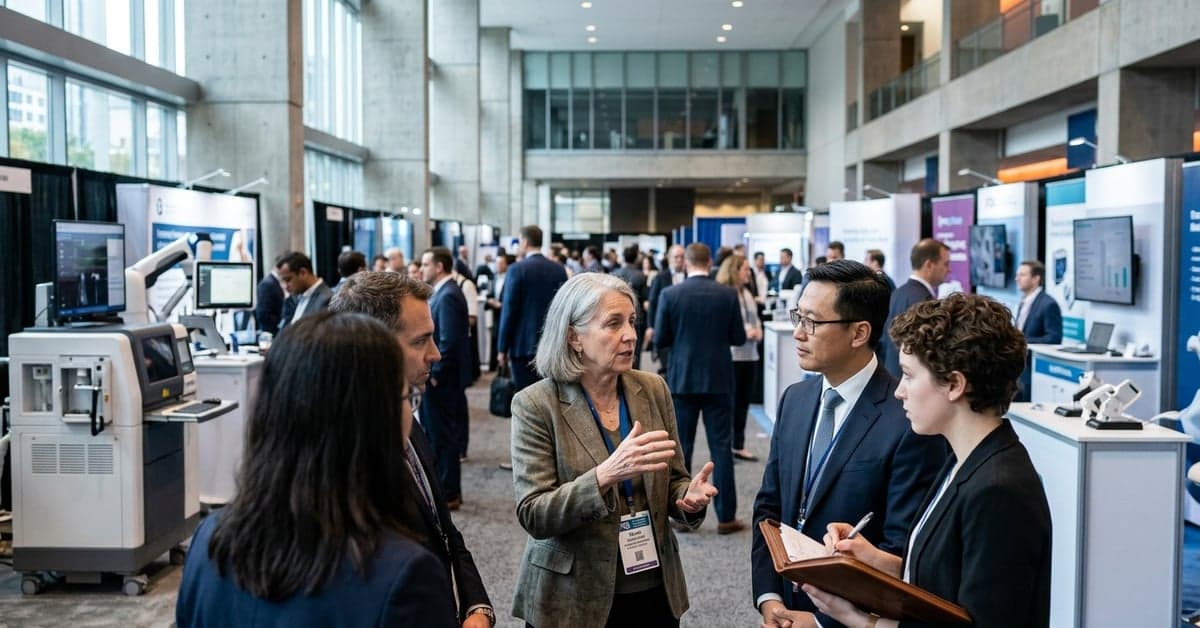
On October 18–21, 2026, The MedTech Conference lands in Boston with 4,000+ leaders from 1,800+ companies across 40+ countries, according to the event website. The organizer says senior leaders from the U.S. Food and Drug Administration’s Center for Devices and Radiological Health (CDRH) will headline the Wednesday Breakfast address, a September 21, 2026 update notes on themedtechconference.com. That FDA CDRH keynote won’t just fill a ballroom. It will set expectations for how AI tools, diagnostics, and connected devices will be reviewed and scaled in 2027.
Why the FDA CDRH keynote matters for 2026 dealmaking
When regulators occupy the biggest stage, pricing and timelines shift. CDRH’s signals on real‑world evidence, software updates, and cybersecurity flow straight into due diligence and partnership terms. The agency’s device center oversees pathways from 510(k) to De Novo and PMA, and its priorities can speed or stall product launches. That’s why the CDRH voice matters for investors and product leaders in the room.
Expect questions to cluster around AI/ML‑enabled software, where learn‑and‑update models meet fixed submissions. FDA has outlined how it thinks about AI/ML devices and post‑market learning on its public briefings (FDA AI/ML devices overview). If CDRH expands on update controls, performance monitoring, or post‑market change plans, that guidance will ripple into whether buyers accept algorithm update cadences or insist on frozen model versions. In short, what’s said from the stage can move valuation haircuts, milestone structures, and the order of your roadmap.
The FDA CDRH keynote also lands as device teams weigh earlier regulator engagement. Since 2023, the agency’s Total Product Life Cycle Advisory Program has aimed to help de‑risk high‑value technologies through earlier, frequent touchpoints. If leaders hint at broader access or sharper criteria, startups with complex software, novel sensors, or new diagnostics could gain months. The TAP pilot program page outlines how teams are selected and supported; any fresh detail would be the conference’s most actionable takeaway.
What to ask CDRH leaders on AI and digital health
Sessions on AI, digital health, diagnostics, imaging, and patient access are front and center on the conference program, per the organizer. Use the main stage remarks to sharpen hallway questions and 1:1s. Aim for specifics that feed your next filing or deal memo, not abstractions:
- Model changes: How should sponsors define and validate post‑market algorithm adjustments while keeping clinical performance consistent across versions?
- Real‑world evidence: Which study designs best support AI claims for generalizability, and what failure modes should be logged post‑deployment?
- Cybersecurity and SBOM: What depth of software bill of materials and vulnerability management is FDA expecting at submission and after launch?
- Human factors: For adaptive software and imaging tools, which user‑interface changes trigger fresh usability testing versus documentation updates?
- Interoperability: For devices that connect to hospital IT, what documentation clears the bar for safe integration and change management?
Each answer affects how product teams budget validation time and how acquirers price risk. Tie any comment you hear back to your clearance path and your update plan. Then write it into your meeting notes the way a reviewer would read them.
Turning Boston’s meeting‑first format into outcomes
The organizer’s pitch is simple: the important conversations start before you arrive. The site says attendees can browse the agenda, see who’s coming, and request 1:1 meetings through the platform. Use that to build a two‑track plan—regulatory clarity and commercial traction—that converges by week’s end.
- For regulatory clarity, schedule time with QA/RA veterans, notified bodies active in your markets, and any mentor companies that have shipped similar tech. Bring a two‑page brief on intended use, risk controls, and your predicate or reference standard.
- For commercial traction, meet distribution partners and clinical champions who can generate early evidence. Show them a 90‑day deployment plan with data capture points that would support payer discussions.
- At the Medtech Campus & Exhibit Hall, pressure‑test demos. Ask prospects to try the workflow you plan to submit, and log where they deviate. Those gaps become your human‑factors worklist.
- After the Wednesday address, revisit your plan. If the FDA CDRH keynote shifts expectations on updates or evidence, decide which claims to trim now so you can file earlier, then add in a controlled update later.
Keeping these tracks in sync avoids the common trap: commercial pilots that collect great stories but thin evidence, or immaculate validation that lands after the market window closes. Tie every meeting to a submission artifact or a revenue milestone.
From keynote to submission: your first 30 days
Once the chairs are stacked, act while details are fresh. Three moves convert conference notes into throughput:
- Book a Q‑Submission. The FDA’s Q‑Sub program lets sponsors ask targeted questions and align on plans before filing. Draft two or three yes/no questions rooted in what you heard on stage.
- Evaluate TAP fit. If your technology is novel and high‑impact, scope whether the TAP pilot could unlock earlier feedback across the device life cycle. Build the case memo now so you’re ready when invites expand.
- Lock your change plan. If your device includes machine learning, document the boundaries of intended updates, your monitoring triggers, and rollback steps. Even where formal templates are evolving, a clear plan de‑risks review and operations.
Investors should move in parallel. Update your screening checklist to reflect any fresh CDRH emphasis, then ask portfolio teams for a two‑page response on how they will meet those expectations by quarter‑end. You’ll learn who’s ready and who needs help.
What this MedTech moment signals
The conference brand is about doing business, and Boston will likely deliver. But regulators on the main stage raise the ceiling. The FDA CDRH keynote concentrates the rules‑of‑the‑road discussion in one week, in front of the buyers, builders, and reviewers who can act. If teams leave with clearer questions, book the right meetings, and trim claims to file sooner, they’ll turn a speech into shorter cycles and cleaner deals.
According to the organizer, hundreds of sessions will cover AI, digital health, diagnostics, imaging, patient access, M&A, regulatory updates, and global strategy. Take that buffet, pair it with what you hear from CDRH, and commit to one decision before you board the flight home. The signal is there. What you do in the first 30 days after the FDA CDRH keynote will decide whether it moves your 2027 launch date—or not. For more on this, see bloomberg.com and nytimes.com.