
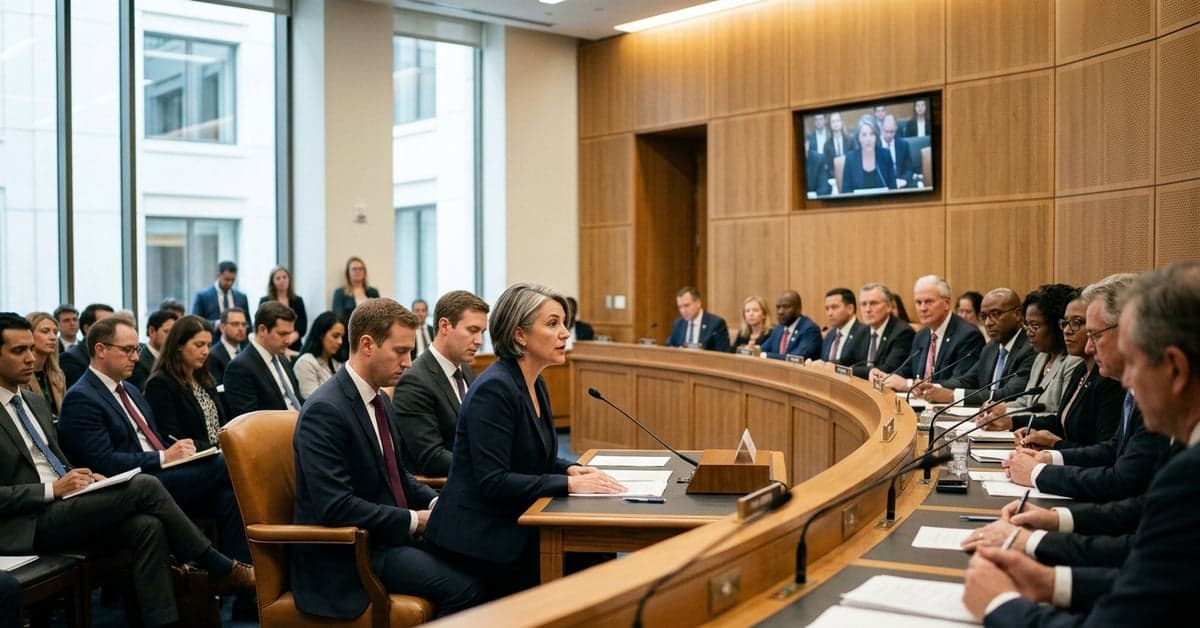
On September 2, 2026, the U.S. House Committee on Financial Services opens its post-recess slate with a hearing titled “Strengthening the American Economy: Promoting Growth, Opportunity, and Prosperity” at 10:00 a.m. in Room 2128 of the Rayburn House Office Building. According to the committee’s public schedule, the panel will then host the Treasury Secretary’s annual testimony on the state of the international financial system on September 15, followed by a markup of various measures on September 16. The cadence is clear: message the economy, probe global finance, then legislate.
September’s House Financial Services hearings at a glance
The committee has laid out three anchor events for September. The first focuses on domestic growth and opportunity, a hallmark brief for the panel that oversees banking, housing, insurance, and capital markets. The second spotlights the international financial system through the Treasury Secretary’s annual appearance. The third moves from oversight to action with a markup session.
- September 2, 2026, 10:00 a.m., 2128 Rayburn: “Strengthening the American Economy: Promoting Growth, Opportunity, and Prosperity.”
- September 15, 2026, 10:00 a.m., 2128 Rayburn: “The Annual Testimony of the Secretary of the Treasury on the State of the International Financial System.”
- September 16, 2026, 10:00 a.m., 2128 Rayburn: Markup of various measures.
The location matters to practitioners planning in-person attendance. Rayburn 2128 is the committee’s main hearing room, a familiar venue for high-interest sessions that often attract industry witnesses and packed galleries. For those watching remotely, the committee states that hearings are livestreamed.
Treasury’s annual international testimony and global stakes
The Treasury Secretary’s “state of the international financial system” testimony lands at a consequential point on the global calendar. It arrives weeks before the IMF and World Bank Annual Meetings in October, where finance ministers and central bankers set priorities on sovereign debt, capital flows, and multilateral lending. While the committee notice provides the title and timing, past sessions have commonly surfaced topics such as sanctions enforcement, exchange-rate policy, and U.S. positions at international financial institutions.
Markets and multinational firms listen closely because even small signals on global funding channels or debt restructuring can ripple through dollar funding costs and emerging-market risk appetite. The hearing also gives lawmakers a platform to press Treasury on bilateral issues tied to trade finance, anti–money laundering, and cross-border capital controls, all of which shape the operating reality for banks, asset managers, and exporters. For broader context on Treasury’s international remit, see the department’s International Affairs portfolio.
What the Financial Services Committee schedule signals
Framing September with an economy-first hearing, then the Treasury Secretary’s testimony, and finally a markup suggests a pivot from messaging to measurable action. According to an August 19, 2026 hearings notice listed by the committee, the September lineup is structured, and the inclusion of a next-day markup after the international session hints at an appetite to move bills before the fiscal year turns on October 1. That sequencing can concentrate attention among stakeholders: testimony sets the record, markups set the policy.
The committee’s jurisdiction spans the banking system, housing finance, insurance oversight, and the securities and exchanges that knit capital markets together. That breadth means a single month can surface issues as varied as mortgage availability, capital formation, financial stability, and consumer protection. A Congressional Research Service overview of House committee roles places Financial Services at the center of how credit flows through the economy—precisely the terrain promised by the September 2 growth hearing.
For industry groups, the placement of the Treasury Secretary’s appearance ahead of markups is a tell. It offers members a high-profile forum to lodge concerns that may immediately inform legislative text or amendments the next day. Investors should expect pointed questioning on global funding strains, sovereign debt architecture, and the pace of multilateral lending reforms—areas that can sway bank exposures and valuations even without new statutes.
How to follow the House Financial Services hearings—and prepare
Stakeholders chasing limited speaking slots and timely submissions should work backward from the posted dates. Written testimony and comment letters gain weight when they address the specific themes signaled by titles and witness lists. For in-person planning, the Architect of the Capitol provides details on the Rayburn House Office Building layout and access. Remote viewers can expect livestreams via the committee; recordings often arrive shortly after adjournment.
For banks and credit unions, the September 2 session is a chance to hear how lawmakers are framing growth, lending, and household balance sheets. For asset managers, the September 15 international hearing may surface cues on global liquidity, exchange-rate policy, and multilateral financing programs. For housing and community groups, the September 16 markup could reveal which measures have the votes to move—useful intelligence for aligning advocacy in the weeks that follow.
None of this guarantees immediate passage, but September is when committees often test what can clear the House floor before year-end. The domestic-growth hearing creates a narrative frame, the Treasury Secretary’s appearance supplies fresh facts and friction points, and the markup converts priorities into potential law.
The stakes justify attention. As the committee itself emphasizes, it oversees the economy’s financial plumbing—from banks and housing to securities and insurance. That breadth ensures the September House Financial Services hearings will shape not only headlines, but also the policy path into the fall. For more on this, see bloomberg.com and nytimes.com.
Related reading: Hugging Face • Fine-Tuning • Open Source AI